

Advanced Dry Eye Therapies
Advanced Dry Eye Disease Treatment & Relief
Serving Franklin, Brentwood, Nashville & Middle TN
Dry eye disease is often caused by dysfunction of the oil glands in your eyelids — the meibomian glands. When they become inflamed or blocked, tears evaporate too quickly, leading to dryness, irritation, burning, and fluctuating vision. Our clinic offers advanced therapies that address the root causes — not just the symptoms.
ADVANCED TECHNOLOGY
Bringing Advanced Dry Eye Treatments to Tennesee
At the Beckman Dry Eye Institute, we are proud to be a premier provider of the Lumenis Opti Device Portfolio. Unlike clinics that offer a single solution, we utilize the OptiLight, and OptiLift to target the root causes of Dry Eye Disease and Meibomian Gland Dysfunction (MGD).
-
OptiLight IPL: The first and only FDA-approved Intense Pulsed Light for dry eye.
-
OptiLift: Targeted muscle stimulation to improve eyelid health and aesthetics.
-
Lipiflow Thermal Pulsation: FDA-cleared thermal pulsation system designed to treat the root cause of evaporative dry eye: blocked meibomian glands.
-
Tixel-i: FDA-cleared, quick, non-invasive treatment uses controlled heat to melt blocked glands and improves the meibomian gland function so the glands can secrete the oil into the tears.
-
Tixel 2: FDA-cleared, effective, non-invasive skin resurfacing and rejuvenation to tighten eyelids, reduce hooding, decrease wrinkles and tighten the skin to address eyelids that are not tight enough for a firm blink. Even if meibomian glands are functioning, incomplete blinking can disrupt effective distribution of your tear layer and allow your tears to evaporate too quickly.
By combining these cutting-edge, non-invasive technologies, we deliver a personalized, medical-grade experience that restores long-term comfort and clarity to your vision.


OptiLight IPL (Intense Pulsed Light)
What is IPL?
IPL is an advanced, non-invasive treatment that uses carefully controlled pulses of light applied to the skin around the eyes — and often the entire face. Originally developed in dermatology over four decades ago, IPL has been adapted to treat the underlying inflammation and gland dysfunction that drive dry eye disease.
How OptiLight IPL Works
IPL addresses the root cause of dry eye disease, not just the symptoms:
-
Reduces inflammation: Targets abnormal blood vessels (telangiectasia) that release inflammatory mediators along the eyelid margin.
-
Improves oil gland function: Gentle heat helps soften and liquify thickened oils, allowing the glands to function normally.
-
Decreases bacteria and mites: Reduces the presence of bacteria and Demodex mites that contribute to eyelid inflammation.
-
Stabilizes the tear film: By improving the quality of the oil layer, tears stay on the eye longer, reducing dryness and irritation.

Dry eye signs affecting your daily routine? Discover OptiLIGHT | Lumenis
What to Expect During OptiLight Treatment
IPL treatments are quick and comfortable. Protective shields are placed over your eyes, and a cooling gel is applied to the treatment area. A series of light pulses are delivered to the skin below the eyes, along the cheeks, and often the entire face. Most patients describe the sensation as a mild snapping or warming feeling. The procedure typically takes about 15 minutes.
Treatment Plan
IPL is not a one-time treatment — results build over time. Most patients require a series of 3–4 treatments spaced a few weeks apart. Maintenance treatments are often recommended.
Benefits of OptiLight IPL
Patients often experience reduced dryness, burning, and irritation; improved comfort with screen use and reading; more stable and clearer vision; and decreased reliance on artificial tears and at-home care. IPL is especially effective for patients with meibomian gland dysfunction (MGD), ocular rosacea, skin facial rosacea, and chronic inflammation of the eyelids.
OptiLift RF and DMst Therapy
Addressing Blinking and Sagging Lids
OptiLift uses radiofrequency and dynamic muscle stimulation to address the important missing link in dry eye treatment from poor blinking and sagging lids. This treatment improves both the function and appearance of the eyelids. It tones the muscles responsible for a healthy blink. While the OptiLight reduces inflammation, the OptiLift is designed to fix the mechanical issues that cause tears to evaporate too quickly.
How OptiLift Works
-
Restores Blink Mechanics: Using DMSt technology, it strengthens the orbicularis oculi muscle to ensure a complete and strong blink that properly spreads tears across the eye.
-
Unclogs Oil Gland: The RF component delivers deep, gentle heat to the meibomian glands, melting thickened oils so they can flow naturally again.

What Is OptiLIFT?
What to Expect During OptiLift Treatment
Each session takes about 7 minutes per side. Patients feel a warm sensation from the RF and a gentle “twitching” sensation from the muscle stimulation.
Treatment Plan
The treatment is a series of 4 weekly sessions for optimal results. There is no down time, although some mild redness can occur.
Maintenance treatments are often indicated.
OptiLift Clinical Results
286%
Avg. improvement in tear break-up time
70%
Improvement in blink quality
75%
Reduction in lid laxity
Benefits of OptiLift
This treatment is very effective for patients with mechanical lid issues contributing to their dry eye disease by improving the quality of the blink and unclogging the oil glands. Additionally, OptiLift delivers wonderful aesthetic results. Combining OptiLight and OptiLift treatments delivers the most advanced level of treatment for dry eye disease when the root cause is the eyelids.
The Cosmetic Benefit
-
Lifts and Tightens: Reduces sagging and drooping in the lower eyelids.
-
Reduces Puffiness: Helps minimize the appearance of “tired eyes” and under-eye bags.
-
Stimulates Collagen: Promotes long-term skin elasticity and reduces fine lines around the eyes.
Lipiflow Thermal Pulsation
Clearing Blocked Meibomian Glands
Lipiflow is an FDA-cleared thermal pulsation system designed to treat the root cause of evaporative dry eye: blocked meibomian glands.
How Lipiflow Works:
It uses a single-use sterile activator to apply precise, controlled heat to the inner eyelids while simultaneously performing a gentle massage to the outer lids. Lipiflow works from the inside out to clear clogged oil glands.
-
Vector Thermal Pulsation: It applies a therapeutic temperature directly to the inner eyelid, where the glands are located.
-
Liquifies Clogged Oils: The heat melts hardened, “stagnant” oils that have turned from a healthy liquid into a butter-like consistency.
-
Physical Gland Clearing: Gentle, pulsating pressure massages these liquified oils out of the glands, allowing your eyes to resume their natural production of healthy lipids.
-
Long-lasting relief: A single 12 minute session can provide symptom relief for 12 months or more by restoring the protective oily layer of your tears.
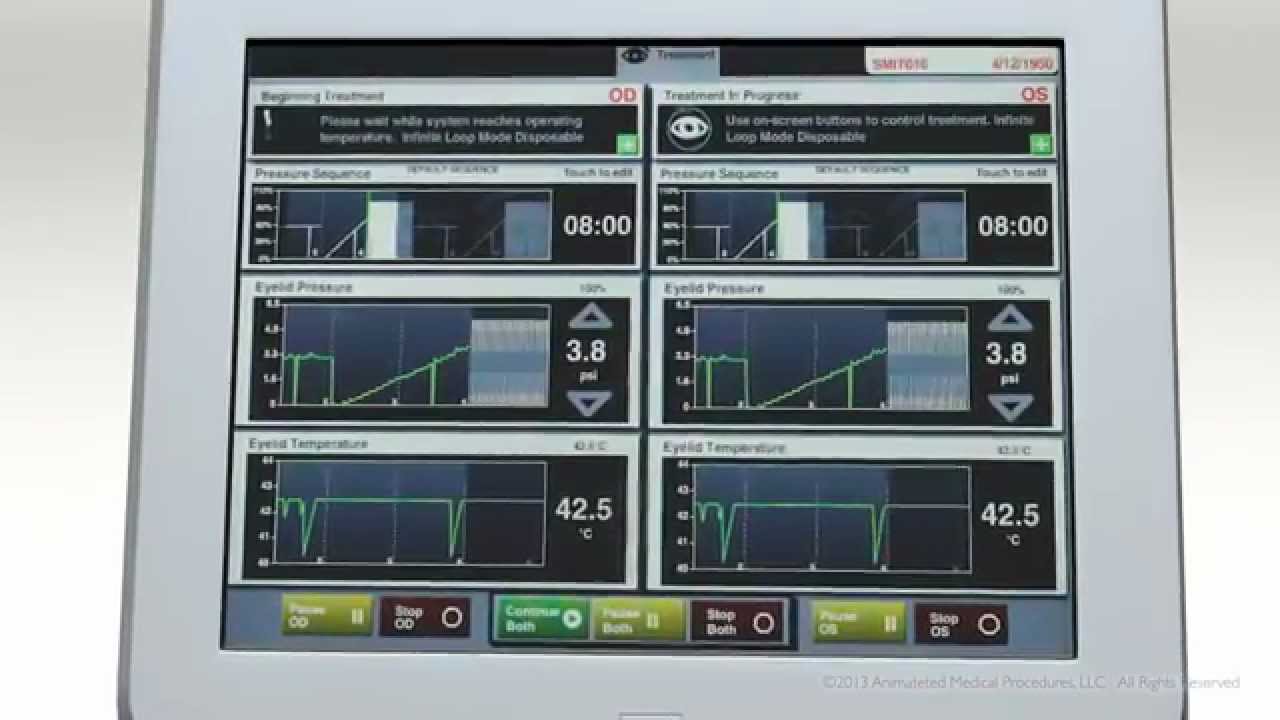
How does Lipiflow work?
What to Expect During Lipiflow Treatment
Lipiflow is often described by patients as a relaxing, “spa-like” experience for the eyes. The session lasts 12 minutes for both eyes. The device vaults over the eye (the cornea and globe) so that all the energy is safely focused on the eyelids. There is no recovery time.
Benefits of OptiLift
This treatment is very effective and has been clinically proven for years with over 90% patient satisfaction rates. It is essential for patients diagnosed with MGD (meibomian gland disease) with gland imaging.
Tixel i
Quick, FDA approved technology for quick, effective dry eye treatment.
If your tears are evaporating because the meibomian glands are blocked and not secreting enouch oil to prevent tear evaporation. Intervention is needed to prevent you from losing more meibomian glands and developing more chronic inflammation over time. Once the meibomian glands stop working, they go away and we do not get them back. One of the ways we can unblock the glands is to use the Tixel i, which uses controlled heat to melt blocked glands. The Tixel i improves the meibomian gland function so the glands can secrete the oil into the tears.
This in-office procedure is quick and non-invasive.
The Tixel i is powered by short pulses of high heat with gentle pressure. The treatment is used on both upper and lower lids.
Although the treatments are complete in only 4 weeks, the study scores show that there is continued improvement for up to 6 months. The treatment is very effective and there is no down time. Of course, it is still important for you to follow your at-home treatment to maximize the results and keep the meibomian glands from becoming blocked again.

What is Tixel i?
-
Thermo-Mechanical Action (TMA) is groundbreaking technology that combines precise motion and controlled heat delivery
How Tixel i works
-
The sterile patented titanium tip is heated up with thermal energy. The hand piece is placed across small treatment areas that briefly contact the skin. This consistent pattern of microscopic treatment zones stimulates the body’s natural healing response. The energy is delivered through conduction rather than radiation to ensure patient safety.
What to Expect During Tixel i Treatment
There is no anesthesia involved, although a mild analgesic gel may be applied. The handset is placed gently on your upper and lower eyelids so short pulses of heat can be applied to improve meibomian gland function. There is no downtime. You may resume normal activities after treatment. It is effective and suitable for all skin types, making it useful year round. There may be some mild swelling or pink skin for 3-4 hours, as well as a heat sensation. Micro-crusting will disappear in about 3 days.
Treatment Plan
For optimal results, most patients require 3-4 sessions, spaced 2-4 weeks apart.
Benefits of Tixel i
The Tixel I improves meibomian gland function and reduces inflammation, resulting in an improvement in healing and symptoms.
Tixel 2
Next-gen Tixel® technology rejuvenates all skin types with little down-time and minimal pain.
One of the reasons of your chronic inflammation and dry eye disease is that your eyelids are not tight enough for a firm blink. If this is not addressed, then the oily layer of the tear film will not be thick enough to prevent your tears from evaporating too quickly, even if the meibomian glands are not blocked. Normal lid function results in effective blinking that squeezes the oil out of the meibomian glands and into your tears.
We can tighten your eyelids, as well as reduce under eye bags and reduce hooding, with the Tixel 2. The treatment is very quick, effective, and non-invasive. Tixel 2 technology utilizes heat technology similar to the Tixel i. This treatment is used on the eyelids to improve the lid function and blinking mechanism. It is also used on the face to decrease wrinkles and tighten the skin

What is Tixel 2?
-
This TMA technology is the same as the Tixel i. The Tixel 2 differs from the Tixel i in that it treats other concerns related to the eyes and face. Patients who would like to address their eyelid wrinkles, swelling underneath the eyes, and upper lid hooding now have an option for effective treatment that is less invasive than lasers. Smile lines, lip lines, and forehead lines are also treatable with this technology.
How Tixel 2 works
-
The sterile patented titanium tip is heated up with thermal energy. The handset is placed across small treatment areas that briefly contact the skin. This consistent pattern of microscopic treatment zones stimulates the body’s natural healing response. The energy is delivered through conduction rather than radiation to ensure patient safety.
What to Expect During Tixel 2 Treatment
There is no anesthesia involved, although a mild analgesic gel may be applied. The handset is placed gently on the treatment area so short pulses of heat can be applied. There is no downtime. You may resume normal activities after treatment. It is effective and suitable for all skin types, making it useful year round. There may be some mild swelling or pink skin for 3-4 hours, as well as a heat sensation. Micro-crusting will disappear in about 3 days.
Treatment Plan
For optimal treatment, most patients require 3-4 sessions spaced 3-4 weeks apart.
Benefits of Tixel 2
Tixel 2 is very effective for skin rejuvenation and sagging, wrinkled or swollen eyelids.
The Cosmetic Benefit
-
Lifts and Tightens Skin: Reduces sagging and rejuvenates wrinkled skin.
-
Reduces Puffiness: Helps minimize the appearance of “tired eyes” and lines
Amniotic Membrane Graft (AMG) Therapy
What to Expect During Treatment
This is a quick, non-surgical, in-office treatment that typically takes a few minutes. Local anesthetic eyedrops are applied for your comfort. The membrane is gently placed onto the surface of your eye. There are different types of grafts available, and Dr. Beckman will determine which is best for each patient. Depending on the graft type, it may be held in place by a flexible ring (like a large contact lens) or secured with a standard bandage contact lens.
You do not need to have the membrane removed — it is naturally absorbed or dissolves into your eye over 3–7 days while healing occurs.
Benefits to Patients
Amniotic membrane therapy is highly effective for patients with severe dry eye disease that is unresponsive to other treatments. Excellent candidates include those with:
-
Corneal ulcers or non-healing abrasions and injuries
-
Recurrent corneal erosions
-
Chemical or thermal burns
-
Inflammation from systemic diseases
Punctal Plugs
What are Punctal Plugs?
Punctal plugs are tiny, biocompatible devices designed to slow the drainage of tears from your eyes. They keep natural and supplemental tears on the ocular surface longer, providing relief for chronic dryness. It is important to treat the tear film first to eliminate debris and inflammatory components.
How Punctal Plugs Work
Each eyelid has a small opening in the inner corner called the punctum, which acts as a drain for your tears. When you don't produce enough tears and lose moisture too quickly, the punctal plug can block the exit — allowing tears to stay on the eye longer for better comfort and vision. They are commonly placed in the lower lid puncta, and sometimes also the upper lid puncta.
Types of Plugs
-
Temporary plugs: Dissolvable and typically made of collagen, naturally dissolving over several months. Ideal as a trial before placing more permanent plugs.
-
Semi-permanent plugs: Made of medical-grade silicone and designed to stay in place indefinitely — though they can be removed easily and painlessly at any time.
What to Expect During the Procedure
This in-office procedure is quick and painless. Local anesthetic drops are used to ensure you're comfortable. We measure your tear ducts (punctum) to determine the size of the plug that will be used. Using a special tool, the plug is gently placed into the tear duct opening. There is no downtime with the procedure.
Benefits of Punctal Plugs
This is a very effective treatment for patients who suffer from aqueous-deficient dry eye (low tear production), who experience dryness following refractive or cataract surgery, or who have autoimmune conditions like Sjögren's Syndrome.
Lacrifill
What is Lacrifill?
Lacrifill is an innovative in-office treatment designed to help your own natural tears stay on the surface of your eyes longer, providing lasting moisture and comfort. Unlike traditional punctal plugs that block the surface of the opening of the tear duct, Lacrifill is a soft, clear gel that gently fills the tear drainage canals. By slowing drainage of your natural tears, it helps keep your eyes better lubricated throughout the day. The treatment can provide relief for up to six months and repeat as needed.

How Lacrifill Works
Lacrifill is made from hyaluronic acid, a substance that naturally occurs in the body and is commonly used in advanced dry eye treatments because of its ability to attract and hold moisture. The soft, clear gel is biocompatible, meaning it is designed to work gently with your body's natural tissues while helping your own tears remain on the surface of your eyes longer. Hyaluronic acid is often called a "moisture magnet" because it can hold many times its weight in water. In the eye, it helps support hydration, lubrication, and a healthier ocular surface.
What to Expect During Treatment
Lacrifilli is a quick, comfortable procedure performed right in our clinic. Topical numbing eye drops are used for comfort. Lacrifill is gently inserted into the nasal puncta (where the tears drain) to fill the entire canalicular system. The treatment typically takes less than five minutes. There is no surgery or downtime, and patients feel relief right away.
Benefits to Patients
Lacrifill may be an excellent option for patients whose dry eye disease symptoms continue despite using artificial tears or other treatments. It can also benefit patients preparing for cataract or refractive surgery, contact lens wearers with dry eye, and those looking for a long-lasting alternative to frequent eye drops.
Autologous Serum Tears (AST)
What are Autologus Serum Tears?
Autologous serum tears are a personalized, natural treatment for moderate to severe dry eye disease. Unlike artificial tears, serum tears are created from your own blood and contain essential biological components — growth factors, vitamins, and antibodies — that closely mimic the healing properties of natural human tears.
How AST Works
For patients who have failed traditional treatments like over-the-counter drops or prescription medications, AST can be a game-changer.
-
Biologically natural: Made from your own blood — no risk of allergic reaction or rejection.
-
Healing power: Contains Vitamin A, epidermal growth factor, and fibronectin, which actively repair damaged ocular surface cells rather than just masking symptoms.
-
Preservative-free: Eliminates the risk of toxicity often associated with preservatives in standard bottled drops.
-
Customized relief: Many patients report significant improvement in comfort, vision clarity, and overall eye health within 2–4 weeks of regular use.
The Process
Once Dr. Beckman prescribes the drops, you'll visit the lab where blood is drawn — similar to a routine lab test. It's important to be well hydrated for a couple of days prior, as this can affect how many vials the special pharmacy can create for you.
The blood is sent to the pharmacy and spun in a centrifuge to separate the clear serum from the red blood cells and clotting factors. The isolated serum is diluted to a percentage Dr. Beckman has prescribed. The final drops are dispensed into small vials and delivered to you, often within 24–48 hours.
Unopened vials are stored in the freezer for up to 6 months. Once opened, a vial must be kept refrigerated and used within 7 days. AST is processed at a special compounding pharmacy and is not covered by medical insurance.
Benefits of AST
AST is typically prescribed for patients with severe dry eye disease, Sjögren's Syndrome, or persistent corneal healing issues. It's a great option for those who prefer a more natural solution to their treatment.
Nulids Microblepharoexfoliation & Rinsada
What are Nulids Microblepharoexfoliation & Rinsada?
Nulids microblepharoexfoliation physically scrubs the lid margins to remove debris, bacteria, and biofilm — clearing the surface area over the meibomian glands. Rinsada acts as a deep-reaching ocular rinse, flushing out inflammatory debris from areas that traditional irrigation and eyedrops cannot reach.
How Effective is Treatment?
The combination treatment is extremely effective for ocular surface disease and meibomian gland disease. The Nulids process disrupts bacteria, unblocks crusting on the eyelids, and removes Demodex mites — which helps open the blocked meibomian glands so they can secrete the essential oils necessary for a healthy tear film. Then, Rinsada gently retracts the eyelids to deliver sterile saline into the deep folds under the lids, flushing inflammatory markers.
Clinical data: Rinsada can reduce levels of MMP-9 — a key protein indicator of ocular inflammation — by over 70%. It also washes away trapped allergens, bacteria, and residual biofilm loosened during the Nulids exfoliation process.
What to Expect
This in-office combination procedure is non-invasive and takes approximately 20 minutes. A specialized handpiece gently cleans the base of your lashes — most patients describe it as a “tickling” sensation. The rinsing device performs a high-flow saline rinse, which feels like a refreshing, gentle stream of fluid. You can typically resume normal activities without downtime.
Benefits of Treatment
Most patients report lasting relief for a few months after a single session. The treatments help stabilize the tear film — and importantly, this “clean slate” allows other therapies and treatments to work more effectively.